


Mash T Design: For The Love of Design


At Mash.T, love takes on many forms: a love for craftsmanship, a love for storytelling through design, and perhaps most unexpectedly, a love for the undeniable relationship between creativity, mathematics, and science.
There’s a long-standing misconception that creativity and analytical thinking exist in separate worlds. The stereotype that designers, artists, and makers aren’t naturally inclined toward math and science is one that’s repeatedly challenged in the design space.
The truth is, these disciplines are not only deeply connected, but they also thrive off each other. Furniture making and interior architecture, for example, bring the relevance and practical application of math and science to life. Interior designers consider measurements, proportions, and spatial planning to ensure a space is both functional and aesthetically pleasing.
Geometry is used to align furniture and architectural features, physics is considered when working with lighting and acoustics, and material science informs decisions on finishes for durability and sustainability.


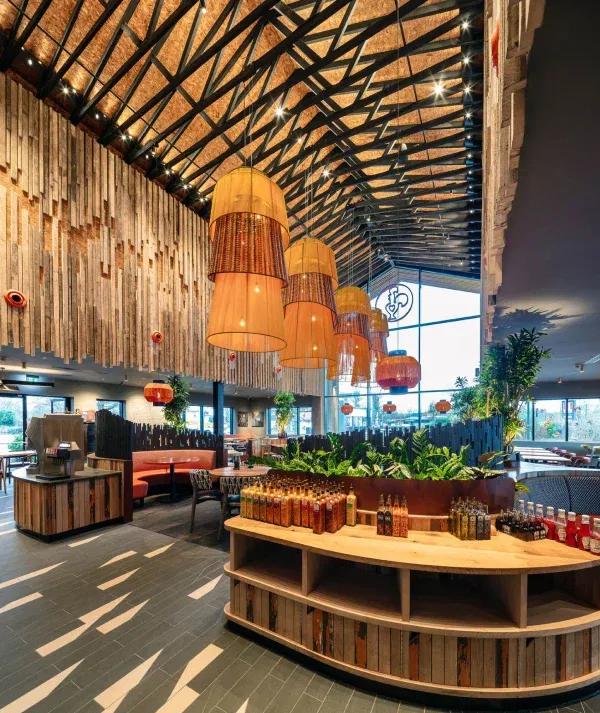
Beyond the realms of furniture and interiors, traditional African craftwork provides another powerful demonstration of mathematical and scientific understanding. Beadwork, for instance, is a highly structured art form that demands a keen understanding of symmetry, patterns, sequencing, and counting—fundamental concepts of mathematics. The intricate, repetitive designs in beadwork speak to the makers’ expertise in geometry and spatial awareness.
Similarly, the use of ilala palm weaving exemplifies both scientific and mathematical knowledge in practice. The dyeing process of ilala fronds involves a deep understanding of the chemical properties of natural pigments sourced from local vegetation, roots, and tree bark. The precision needed to mix, heat, and set these dyes is a direct application of science. The weaving itself requires careful calculation of proportions, balance, and tension to create durable, functional, and visually captivating forms.


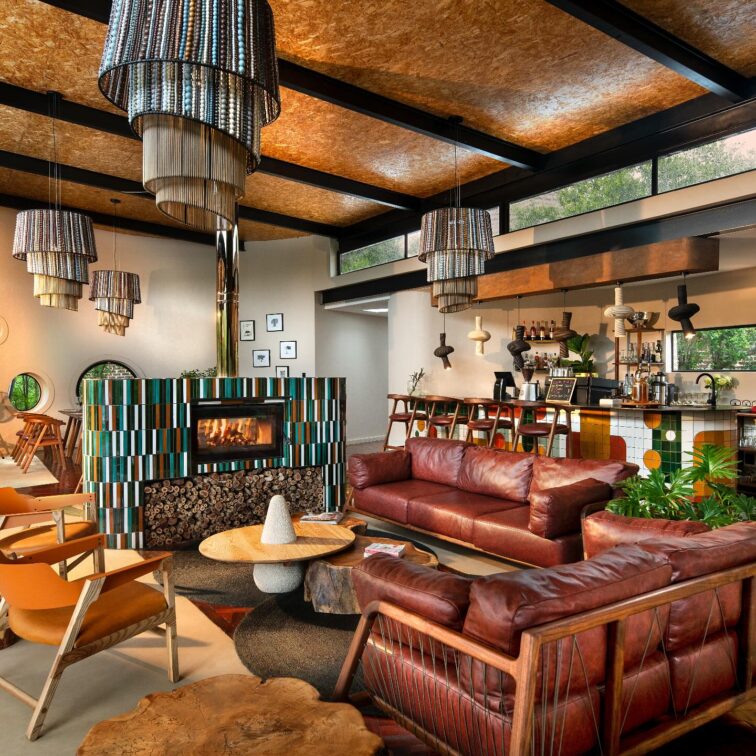
What stands out is the recognition that when discussing creativity, the role of math and science is undeniable. These aren’t abstract concepts confined to textbooks; they are alive in the way design is constructed, innovated, and the boundaries it continues to push.
So, as we continue into the year, we celebrate this love—the love for problem-solving, experimentation, and the beautiful synergy between art and logic. Here’s to making, learning, and embracing the science that fuels creativity.


Contact: Mash.T Design Studio.
You might also like.







You might also like...
-
Winter Nights, Slower Moments: The Art of Outdoor Living with Stellar Lighting

There is a certain magic that arrives with winter evenings. As temperatures drop and darkness settles earlier, the pace of life naturally begins to slow. ...
-
Modern Bathroom Lighting Ideas | Jozi Lighting Expert Tips

The modern bathroom has become far more than a practical room. Increasingly, it is being designed as a space to pause, recharge and prepare for ...
-
Thoughtful Lighting Design with DÜ Life: Transforming Rooms

Lighting is often one of the most underestimated elements of interior design, yet it has the power to completely transform the way a home looks, ...
-
Cornice and More: No Tricks, Only Treats for Your Home

Give the home a stylish, practical upgrade with Cornice and More ceiling products. The range combines design, reliable performance, and installation convenience, helping create spaces ...


Visit SA Decor & Design on social media


