

Renter-Friendly Upgrades for a Dubai Flat: Light, Mirrors and Glass-Tower Living Without Losing Your Deposit


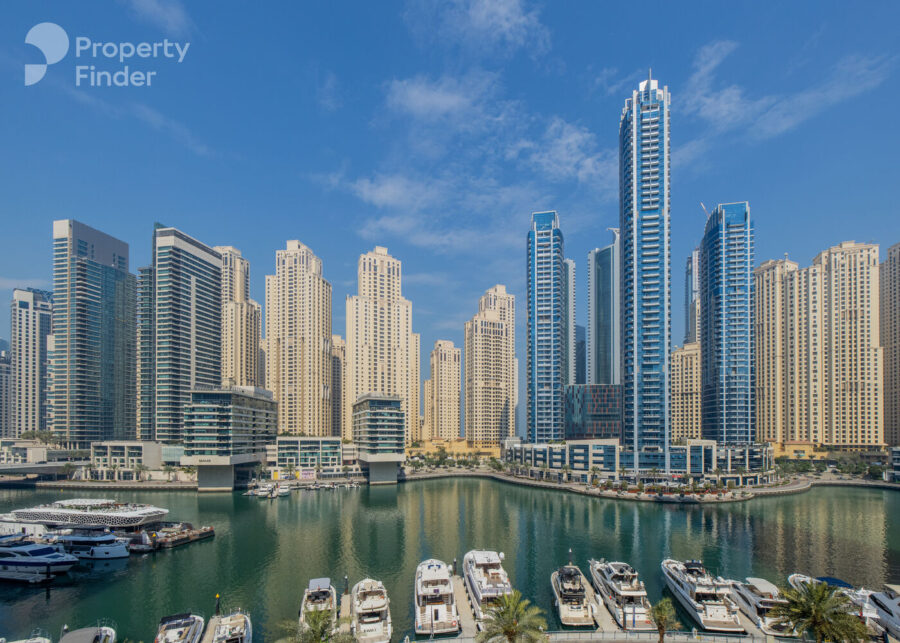
Dubai is a city of tenants. In the first half of 2026 alone, 272,522 rental contracts were signed, according to DXB Interact data reported by haus & haus in July, the vast majority of them for apartments in the glass towers that make up the skyline. If you have just signed on a rental property in dubai, or you are scrolling the listings deciding which tower to call home, you are joining a very large club of people living in a flat they are not allowed to change. Floor-to-ceiling glass, blazing sun, air conditioning that never switches off, open-plan rooms with not much wall, and a landlord who expects it all back exactly as found.
A quick word on timing, then no more market talk: 2026 is a softer year than the last two, with Dubai rents down 6.2 percent quarter on quarter in the second quarter according to CBRE, which means you may have negotiated a better deal than your neighbour did in 2025. That makes protecting the deposit even more worthwhile. Here is how to make a rented Dubai flat feel like yours using only changes you can undo in an afternoon.
First, what is actually at stake
The deposit in Dubai is real money. The norm, as Gulf News’ housing guide explains, is 5 percent of the annual rent for an unfurnished flat and 10 percent for a furnished one, so on a one-bedroom at AED 80,000 a year that is AED 4,000 to AED 8,000 sitting with your landlord. The rules on getting it back are set by Dubai’s tenancy law: as Khaleej Times sets out, a tenant must return the property in the condition they received it, allowing for ordinary wear and tear, and the landlord may only deduct for damage beyond that. Drilled holes, peeled paint and stuck-on fixtures that leave marks are exactly the kind of thing that ends up itemised on a deduction list, and a landlord with a clipboard at checkout will find them. Everything below is designed not to give them the chance.
Two habits before you unpack a single box: photograph every wall, floor and fitting on the day you get the keys, with the date visible, and keep every original fixture you remove (a light shade, a curtain rail, a bathroom mirror) in a cupboard to put back at the end.
1. Use mirrors to move light, not multiply glare
The instinct in a small flat is to hang a big mirror opposite the window. In a Dubai tower, do not. A mirror facing floor-to-ceiling glass reflects the afternoon sun straight back into the room, doubles the glare on your screen and warms the space you are paying to cool. Instead, put the mirror on a wall at right angles to the window, so it catches the bright sky and the view sideways and throws soft, indirect light into the darker end of the room. In an open-plan unit, a tall leaning mirror at the far end of the living space, angled slightly upward, will bounce ceiling light back down and make a narrow floor plate read as wider without ever pointing at the sun.
Leaning is the renter’s friend. A full-length mirror propped against the wall, with a couple of removable adhesive pads at the base to stop it sliding on tile, needs no fixings at all. If you want one on the wall, use heavy-duty removable hook strips rated well above the mirror’s weight, on a smooth painted surface, and take them off slowly and straight down at the end, the way the packet tells you to. In the bathroom, an illuminated mirror that plugs in rather than hard-wires gives you good make-up light without an electrician or a hole, and it goes with you to the next flat.
2. Tame the glass with removable film
The sun through Dubai glass is the single biggest thing you will want to change and the single thing your building will not let you touch. Static-cling window film is the answer: it applies with water and a squeegee, blocks a large share of heat and UV, cuts glare, and peels off cleanly at the end of the tenancy. Choose a neutral or light-tint film rather than a mirrored one, because many buildings prohibit anything that changes the tower’s external appearance, and check your building’s rules before you buy. Film on the bedroom glass alone can turn a room that is unusable at 3 pm into one you can nap in, and it lowers the cooling bill, which in a flat that is not chiller-free is a real saving.
3. Buy furniture that stores, and drill nothing
Drilling is the most common route to a deduction, and in a Dubai tower the walls are often concrete or block that needs a hammer drill anyway. Replace every shelf you would have screwed to the wall with something that stands: a freestanding bookcase, a tall modular unit that doubles as a room divider, a tension-pole shelving system that braces between floor and ceiling without a single screw, a bed with drawers underneath. Dubai flats are famous for small floor plates and very tall ceilings, so go up: a tall, narrow storage unit uses the height you have and leaves the floor you do not. Over-door hooks, adhesive hooks rated for the weight, and a freestanding clothes rail cover the rest.
4. Layer the lighting to soften the downlights
Almost every Dubai tower flat comes with a ceiling grid of white LED downlights and nothing else, which is why they photograph like a dentist’s waiting room. You cannot rewire, but you can stop using them. Two or three floor lamps, a table lamp on every surface that will take one, and warm bulbs throughout (look for 2700K on the box) will change the mood of the flat more than any other single thing on this list. Add plug-in dimmers or smart bulbs so the evening light can drop to a glow. An illuminated mirror in the hallway or bedroom works as a lamp in its own right, a soft wash of light on a wall that had none.
5. Zone the open plan with rugs
Most Dubai apartments are one big room with a kitchen along one wall, and the floor is usually pale tile that runs uninterrupted from the front door to the balcony, which is beautifully cool underfoot and visually endless. Rugs are how you draw rooms onto it. A large rug under the sofa and coffee table makes a living room; a runner along the kitchen wall makes a kitchen; a rug beside the bed makes a bedroom out of a corner of a studio. Use a non-slip underlay on tile, because rugs travel on it, and choose flat weaves or low pile, which cope better with air conditioning and the fine sand that gets into everything.
6. Choose plants that can live in air conditioning
The air in a sealed, air-conditioned tower is dry and cool and the light through tinted glass is bright but indirect, which kills ferns and delights a specific group of plants. Snake plants, ZZ plants, pothos, rubber plants and dracaena will all tolerate the conditions and forgive a week away. Put them on the floor in front of the glass, where they soften the hard line between room and view, and group them on a tray or stand rather than fixing anything to the wall or balcony rail. Balconies in Dubai get punishing afternoon sun and wind, so keep the plants inside from May to September and treat the balcony as a morning place.
7. Make the reversible list at the start, not the end
Write down every change you make, with a photo, in the same folder as your move-in pictures. On the last day, remove the film, the hooks and the rugs, put back the original fixtures, and photograph everything again. If a landlord still deducts for something you did not do, the tenancy contract registered on Ejari with the Dubai Land Department is what gives you standing, and the department’s Rental Dispute Centre is where a deposit argument is settled. Most never get that far, because a flat handed back with dated photos of every wall is a flat nobody argues about.
The point of all this
None of the changes above touches a wall, a wire or a pane of glass, and all of them together will turn a standard-issue Dubai tower flat, with its downlights and its endless tile and its 3 pm sun, into a place that feels lit, layered and yours. When the year is up, an afternoon undoes it all, the deposit comes back in full, and everything you bought moves with you to the next tower. In a city where a quarter of a million rental contracts are signed in six months, that is the only kind of interior worth investing in.











You might also like...
-
Perfect Hideaways: Discover Thuúla Haven in the Hemel-en-Aarde Valley

There are few places where time seems to move quite as gently as the Hemel-en-Aarde Valley. Surrounded by rolling vineyards, rugged mountain ranges and flourishing ...
-
Timber, Reconsidered: Debunking the Myths Around Wood in South African Design

Sustainability, responsible material choices and smarter construction continue to shape the future of South African design. That’s why timber now steps into the spotlight. However, ...
-
What Causes Lithium-ion Battery Fires?

Where There’s a Spark, There’s a Flame. Behind the convenience of lithium-ion batteries lies a potentially hazardous science. SafeQuip, a leading distributor of fire-related equipment, ...
-
The Designer’s Guide to Choosing the Right Wood Look: From Oak to Ipe with Eva-Last

There’s just something about wood. When you walk into a room finished in warm oak, dark walnut, or rich ipe, you feel it before you ...


Visit SA Decor & Design on social media


