


Carpet & Decor: What Goes Under Artificial Grass? A Guide to the Right Base


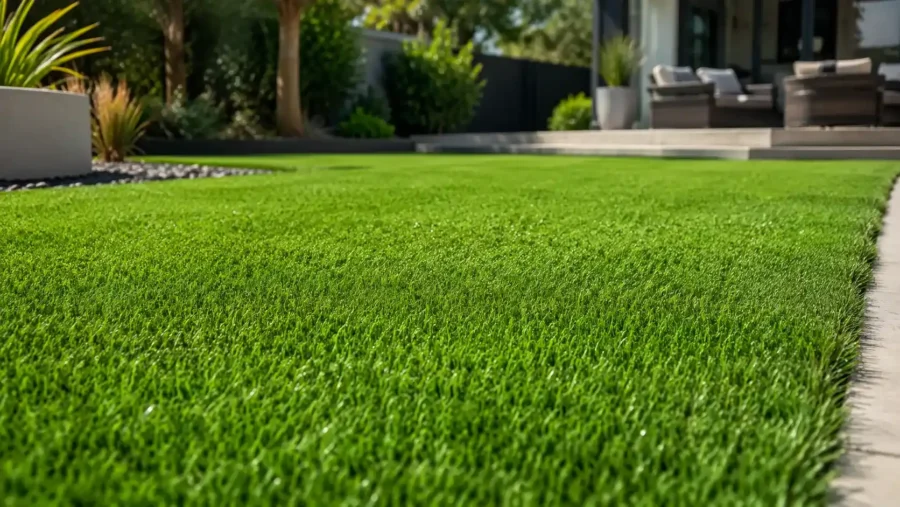
Artificial grass has become a popular way to create a green, low-maintenance outdoor space, and Carpet & Decor offers a range of options to suit different gardens and applications. But while the finished lawn gets all the attention, what happens underneath it is just as important.
A properly prepared base provides stability, creates a smooth finish and, crucially, gives rainwater somewhere to go. Without the right foundation, artificial grass can develop dips, soft patches, standing water or uneven areas over time.
So, what actually goes under artificial grass, and what should you consider before installing it?
What goes under artificial grass?
The exact build-up depends on the site, soil conditions, type of turf and how the space will be used. However, a typical installation over soil may include several key layers.
1. Prepared ground
The existing ground forms the starting point. Vegetation, roots, organic material and unstable soil should be removed before the surface is shaped and prepared.
Soft spots or areas that remain consistently wet should also be addressed at this stage. Laying artificial grass over unstable ground may hide the problem temporarily, but it will not fix it.
2. Geotextile layer
A permeable geotextile fabric may be used to separate the soil from the aggregate base. It can help prevent fine soil particles from moving into the stone while still allowing water to pass through.
The right fabric needs to suit the installation, though. A geotextile is not a substitute for a properly designed drainage system.
3. Compacted aggregate base
This is the structural foundation of the lawn. A suitable, well-graded aggregate is typically installed and compacted to create a firm, stable and permeable surface.
The material and depth will depend on the existing ground, expected traffic, drainage requirements and turf product. A residential garden, for example, may have different requirements from a school playground or commercial space.
4. Levelling layer
A thin levelling layer can then be used to create a smooth surface beneath the turf. Suitable materials depend on the installation system.
This layer should refine an already stable base rather than compensate for poor preparation. Too much fine material can affect drainage and may move over time.
5. Artificial grass and infill
Once the foundation is ready, the artificial grass can be installed and secured around the edges. Some products also require a compatible infill to support the fibres, add ballast and improve performance.
Always follow the manufacturer’s recommendations, as not every artificial grass product has the same infill requirements.
Why is drainage important?
Good drainage is essential for an artificial lawn, particularly in areas that experience heavy rainfall or have slow-draining soil.
Water needs to move through the turf and supporting layers before reaching soil that can absorb it or a suitable drainage outlet. A perforated turf backing cannot solve a drainage problem underneath the grass.
This is especially important on clay soils, where water can drain slowly. Depending on the site, additional drainage may be needed to direct water towards an appropriate outlet.
Sloping gardens also need careful planning. The surface can have a controlled gradient to move water safely away from buildings and towards the intended drainage point.
What about concrete, balconies and rooftops?
Artificial grass can also be installed over existing concrete, but the drainage requirements are different. Water needs a clear route to an existing drain or suitable open edge, while cracks, low points and blocked outlets should be addressed first.
Balconies and rooftops require even greater care. A suitable drainage mat or raised system may be needed to protect waterproofing and keep existing outlets accessible. Structural loading, wind and building requirements may also need to be considered.
How do you know if there is a drainage problem?
Keep an eye out for:
- Standing water after rainfall
- Soft or spongy patches
- Dips or depressions
- Lifting edges or opening seams
- Water collecting against walls
- Persistent odours in pet areas
These symptoms can have several causes, from blocked drainage holes and incorrect levels to compacted materials or poor soil infiltration. Finding the cause is more effective than simply adding another layer of sand or material.
Choosing the right base for your artificial grass
There is no one-size-fits-all recipe for installing artificial grass. The right base needs to take the site, soil, drainage, turf product and intended use into account.
Before choosing your artificial lawn, ask about the complete installation system rather than looking at the grass alone. The base materials, drainage route, edge details, infill and maintenance requirements all contribute to the finished result.
Carpet & Decor offers a range of artificial grass products for gardens, play areas, sports and commercial spaces, making it easier to find an option suited to your needs.
The secret to a great artificial lawn starts below the surface. Get the foundation right, and the finished grass will look better, drain more effectively and perform for years to come.
Frequently Asked Questions
What is the best base for artificial grass?
A stable, compacted and permeable base suited to the site and turf product. The exact materials and depth depend on the ground conditions and intended use.
Can artificial grass be laid directly onto soil?
It is generally not recommended. The ground should be properly prepared to create a stable foundation and appropriate drainage route.
Does artificial grass need a drainage base?
A properly prepared base is important for stability and drainage in most soil-based installations. The exact construction depends on the site.
Can artificial grass be installed over concrete?
Yes. However, the existing surface must be suitable and water needs a clear route to a drain or suitable outlet.
Visit a Carpet & Decor branch closest to you and discover flooring solutions designed to transform your home. Opening soon in North Suburbs in Durbanville, Western Cape





You might also like...
-
MOSO Bamboo Decking at the V&A Waterfront

At the V&A Waterfront, one of Africa’s most prestigious and high-traffic mixed-use precincts, MOSO® Bamboo X-treme Decking was specified and installed several years ago. As ...
-
How Outdoor Tiles Create the Perfect Outdoor Living Space

Outdoor living spaces have become an essential part of modern home design. Patios, balconies, pool areas, and garden zones are now designed with the same ...
-
Inside Out Decor: Colourful South African Outdoor Living

South African summer has a way of moving life outside. Morning coffee migrates to the patio, afternoons stretch around the pool, and dinners have a ...
-
Protect Your Outdoor Spaces with NLA Timber Products and Liquid Armour

A beautiful timber deck can completely change the way an outdoor space looks and feels. The warmth of the wood, the richness of its colour ...


Visit SA Decor & Design on social media


