


Why Light Is Becoming Luxury’s Most Important Material


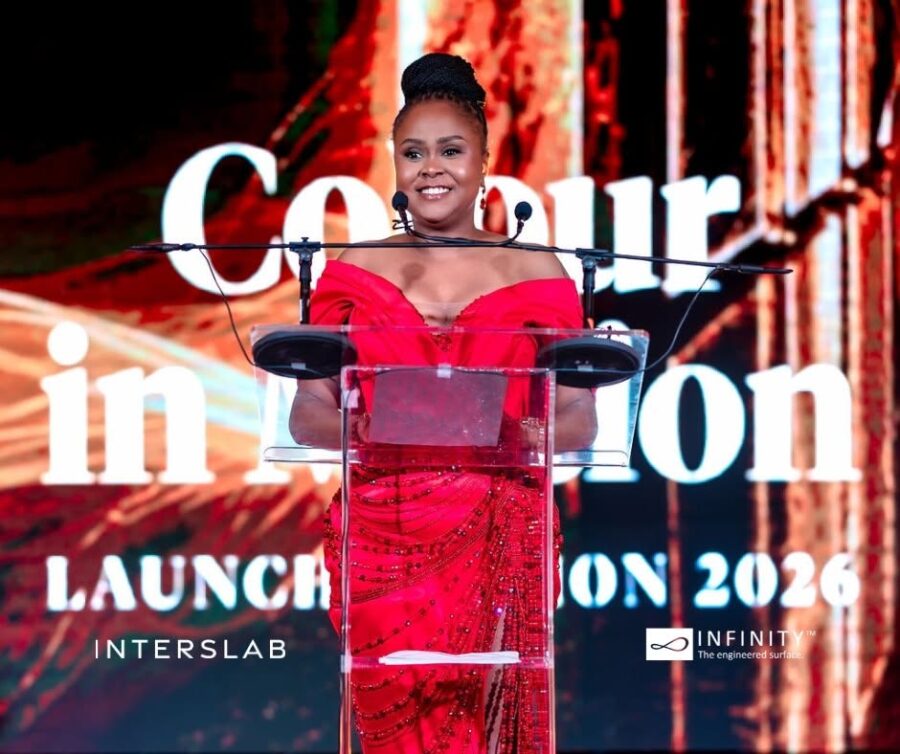
Vuyokazi Mhlophe, Head of Marketing
Luxury design has entered a new era. While grandeur was once defined by expansive homes, elaborate finishes and statement materials, today’s most desirable interiors are shaped by something far more subtle: the way they make people feel. Calm, comfort and authenticity have become the hallmarks of contemporary luxury, and at the centre of this evolution is one of the most powerful design elements of all—natural light.
As the way people live continues to evolve, so too does the role of architecture and interior design. Kitchens have become social hubs, homes now double as workplaces, restaurants are designed to create memorable experiences, and hotels strive to evoke emotion rather than simply provide accommodation. Designers are increasingly asking not what a space looks like, but how it will be lived in.
According to Luigi Corbelli, Managing Director of Italian porcelain surface manufacturer Infinity, this human-centred philosophy drives every new colour collection the company creates.
“People often ask us where new Infinity colours come from. They expect us to say trends, technology or fashion. But that’s never where the conversation begins. It begins with people. How are people living today? How are families gathering? How are restaurants creating experiences? How are architects pushing boundaries? Because life changes. And great design changes with it.”
This approach has fundamentally changed the purpose of materials. Rather than serving as purely decorative elements, surfaces have become integral to the daily experience of the spaces they inhabit.
Among the most influential factors shaping that experience is natural light. Unlike any manufactured material, light transforms continuously throughout the day. Morning sunlight creates a vastly different atmosphere from the warm glow of late afternoon, while seasonal changes continually alter the character of an interior. As light shifts, surfaces reveal new layers of texture, colour and depth. Veining becomes more pronounced, mineral details emerge, and subtle warmth appears where moments before there had been shadow. The material itself remains unchanged, yet the experience is constantly evolving.
Vuyokazi Mhlophe, Head of Marketing at Interslab, Infinity’s exclusive Southern African distributor, believes this changing relationship between light and material is redefining how designers evaluate surfaces.
“For many years, the industry focused on what a surface looked like in a showroom. But people don’t live in showrooms. They live in homes where the light changes from morning to evening, where seasons change and where everyday life unfolds. The real beauty of a surface is revealed over time.”


This philosophy formed the inspiration behind Colour in Motion, Infinity’s recent porcelain surface launch held in Johannesburg and Cape Town. Rather than presenting the collection through a conventional product showcase, architects, designers, developers, kitchen specialists and industry partners were immersed in a theatrical experience built around one simple observation: light never sees the same surface twice.
As lighting conditions changed throughout the presentation, each porcelain slab revealed an entirely different personality. Shadows deepened, intricate veining became more visible, mineral textures emerged and warm tones began to glow. While the surfaces themselves remained constant, every shift in light uncovered another layer of their beauty.
The Colour in Motion collection introduces eight new Infinity porcelain surfaces to the Southern African market, each responding uniquely to changing light.
Orobico Luxe reveals remarkable warmth, dramatic depth and expressive veining as light travels across its richly detailed surface.


Orobico Luxe
Arabescato Diva combines striking veining with delicate golden accents, creating an elegant surface that becomes increasingly luminous throughout the day.


Arabescato Diva
Santos blends tranquil greens with vibrant mineral tones, producing a surface that evokes the ever-changing beauty of a natural landscape.


Santos
Onyx White uses translucent layers and refined golden veining, allowing light itself to become an integral part of the overall design.


Onyx White
Inspired by the night sky, Andromeda features fine mineral veins that gradually emerge from its deep, mysterious surface like distant constellations.


Andromeda
Cammeo brings together soft blush, ivory and blue tones in a layered composition where every fragment responds differently to changing light.


Cammeo
Taj Mahal quietly reveals its warm golden hues and gentle texture as daylight unfolds throughout the day.


Taj Mahal
Completing the collection, Ceppo Romano celebrates the beauty of layered geological formations, combining fragments of varying depth and character that become increasingly expressive as light shifts across the surface.


Ceppo Romano
Together, the eight new surfaces embody Infinity’s belief that exceptional materials should offer far more than visual appeal. They should enhance the way people experience the spaces they inhabit every single day.
As luxury continues to evolve, its future may no longer lie in louder statements or increasingly elaborate finishes. Instead, it may be found in thoughtful materials that reveal their beauty gradually—responding to light, adapting to life and quietly enriching every moment spent within a space.


Contact: Interslab





You might also like...
-
Sculptural Functional Homeware Designs by Carrol Boyes

Art has always existed at the centre of Carrol Boyes. Across every collection, sculptural functional homeware designs, sculpture, functionality, and storytelling intersect to transform everyday ...
-
BIBO Winter Hosting: The Warmest Thing in the Room Might Surprise You

July in South Africa has a particular kind of pull. The urge to stay home, slow down, and make everything just a little more intentional. ...
-
The Crucial Connection: Redefining Your Kitchen with Metal Windows

When it comes to modernising your kitchen, the focus is often on high-tech appliances, bespoke cabinetry, and trendy materials. However, brands like Metal Windows highlight ...
-
Beyond the Expected: Why Kitchens Are Moving Away from Generic Surfaces

Capraia Porcelain – delivering continuity and visual impact For years, kitchen design leaned towards safe, uniform surfaces – materials chosen for practicality, often at the expense ...


Visit SA Decor & Design on social media


