


blu_line: The Future of Luxury Kitchen Architecture


As we look towards 2027, the definition of luxury kitchen design is undergoing a subtle yet significant evolution. Beyond aesthetics and functionality, the kitchen is increasingly becoming an integral part of a home’s architectural identity, where materiality, craftsmanship, innovation and personal expression converge. blu_line luxury kitchen design reflects this evolution, bringing together architectural thinking, refined materials and innovative functionality.
Pushing the boundaries of design
At the forefront of this approach is blu_line, a South African luxury kitchen architecture brand recognised for its distinctive design language, refined material exploration and commitment to pushing the boundaries of bespoke living environments.
In this exclusive conversation with Phillip Richards from the blu_line team, the brand shares its perspective on the future of luxury kitchen design, exploring the emergence of sculptural forms, warmer and more tactile minimalism, intelligent concealed functionality and the growing relationship between kitchen architecture and the wider home.
From the evolution of its signature collections and blu_line X bespoke platform to the integration of Sensorline technology, the conversation offers insight into a design philosophy that looks beyond passing trends towards creating timeless architectural environments that are both deeply personal and enduring.


1. What key directions does blu_line expect to shape luxury kitchen design in 2027, particularly in terms of layout, aesthetics and functionality?
For blu_line, 2027 will be less about a singular kitchen trend and more about the continued evolution of the kitchen as architecture. The most considered luxury kitchens are no longer being designed as cabinetry inserted into a room; they are becoming architectural elements that influence the proportions, movement and experience of the wider home.
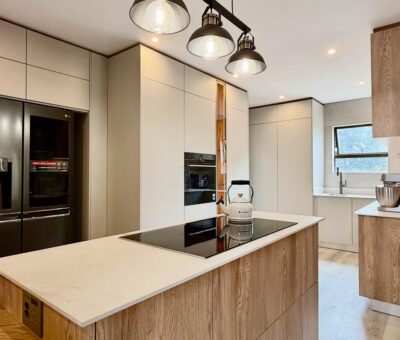
We expect islands to remain important, but they will become increasingly sculptural and layered, using intersecting planes, varied counter heights and carefully considered material junctions rather than a conventional single-block form. At the same time, softer architectural forms and curved elements will continue to emerge alongside more linear compositions.
Functionality will become increasingly concealed. Working zones, appliances and storage will remain highly resolved, but visually quieter, allowing the architecture and materials of the kitchen to take precedence.
2. Which materials, textures, colours and finishes do you see becoming more important in 2027? Are we moving towards warmer, more natural interiors or continuing with minimalism?
We see minimalism continuing, but becoming significantly more tactile and human. The stark interpretation of minimalism is giving way to spaces that remain restrained and highly resolved while carrying much greater material depth.
Natural stone with expressive movement, richly grained timber, textured veneers, etched and brushed metals, smoked or bronze glass and specialist surface treatments allow a luxury kitchen to reveal itself gradually rather than relying on decoration. Tonally, warmer neutrals, earthier browns, deep charcoals and layered natural colours will continue to replace colder, flatter palettes.
For blu_line, materiality has always been fundamental to luxury kitchen architecture. The objective is not simply to select beautiful finishes, but to curate contrasts between stone, timber, glass and metal so that touch, reflection, texture and light become part of the experience. Minimalism therefore remains, but it becomes richer, warmer and more personal.


3. What innovations in luxury kitchen design should we be preparing for, particularly around integrated appliances, intelligent storage, lighting and concealed functionality?
The next evolution of kitchen technology is not necessarily about seeing more technology; it is about seeing less of it.
Luxury should increasingly feel intuitive. Appliances, storage, lighting and mechanisms should perform exceptionally while remaining integrated into the architectural composition. Concealed working areas, highly personalised internal storage, responsive lighting and silent movement systems allow the visual language of the kitchen to remain uninterrupted.
This thinking is central to blu_line’s Sensorline technology, where controlled movement is integrated into stone counters so that surfaces can physically change position according to how the kitchen is being used. Technology becomes part of the architecture rather than something attached to it.
We believe this is where innovation in bespoke kitchen design is heading: intelligent functionality that responds almost instinctively to the user while allowing materials, proportions and form to remain the dominant visual experience.
4. How is kitchen architecture evolving in response to open-plan living, entertaining and the growing demand for multifunctional spaces?
As homes become increasingly connected, the kitchen has moved beyond being a room and has become one of the primary architectural anchors of the interior.
This changes the design process considerably. Sightlines, ceiling heights, natural light, movement and the relationship between the kitchen, dining and living spaces all need to be considered before the cabinetry itself. A successful open-plan luxury kitchen must work when preparing a meal, entertaining twenty people or simply being experienced as part of the home when nothing is happening in it.
Multifunctionality does not mean asking one space to visibly perform every function. The more sophisticated approach is to design zones, conceal working elements and create surfaces that can adapt when required.
This is also why blu_line increasingly considers the kitchen within a wider architectural language, extending its approach into wardrobes and other interior components so that materials, proportions and detailing can continue throughout the home.
5. What is blu_line’s creative vision for 2027, and what will continue to differentiate the brand within luxury kitchen design?
The brand’s vision for 2027 is not centred around novelty for its own sake. blu_line has spent more than twenty years developing an architectural approach to luxury kitchen design, and the focus is to continue evolving that language with greater material exploration, personalisation and technological integration.
The monoline, monobloc, monoarc and monoform collections provide distinct architectural starting points, but increasingly, the opportunity lies in what happens beyond the collection. blu_line X represents this evolution most clearly: an advanced platform for bespoke expression where proportions, materials, functionality and detailing can be curated around the individual client and the architecture of their home.
Sensorline will continue to explore the relationship between movement and architecture, while the brand’s work with tactile surfaces, custom internal finishes and whole-home elements allows the blu_line experience to become increasingly complete.
Ultimately, what differentiates blu_line is not one material, mechanism or signature detail. It is the ability to bring architecture, craftsmanship, materiality, technology and personal expression together into one highly considered environment. The ambition remains to create kitchens that do not simply occupy extraordinary homes, but become an enduring part of their architecture.


Visit blu_line for more.







You might also like...
-
BIBO Winter Hosting: The Warmest Thing in the Room Might Surprise You

July in South Africa has a particular kind of pull. The urge to stay home, slow down, and make everything just a little more intentional. ...
-
Bespoke Kitchens Designed Around the Way You Live | Jozi Kitchens

The best kitchens aren’t simply beautiful to look at. They need to make sense of the space, work with the way you live and make ...
-
Modern Kitchen Sink Design Solutions | A Guide By Ferreiras

The kitchen sink is often one of the hardest-working elements in the home, quietly supporting everything from preparation and cooking to cleaning and daily routines. ...
-
The Future of Surfaces: Interslab on Colour, Collaboration and Innovation

A new chapter is taking shape at Interslab. While the name remains unchanged, a refreshed visual identity signals an evolution for the South African surface ...



Visit SA Decor & Design on social media


