


From Material Palette to Finished Piece: Designing Custom Furniture with Wood and Stone
A furniture concept can look resolved on screen and still feel wrong once it enters a room. The proportions may be sound, yet the timber is too red for the surrounding finishes, the stone edge feels heavier than expected, or a polished surface reflects more light than the space can comfortably hold. These are not finishing details. They are design decisions that shape the piece from the beginning.
For furniture brands, retailers, and professional project teams developing custom furniture, wood and stone offer an especially useful pairing.. Timber brings warmth, grain and visual continuity; stone introduces variation, weight and a firmer architectural presence. In South African interiors, where natural light often makes colour and texture highly visible, the balance between them matters. Successful wood and stone furniture is rarely about using more material. It is about giving each material a clear role.


Why Material Selection Shapes the Finished Piece
Material selection affects much more than appearance. It influences how thick a top needs to look, where support is required, how easily the furniture can be moved and what daily care will involve. A slim stone surface on a broad dining table, for example, needs a different visual and structural approach from a solid timber top. If those questions are left until the end, the design may require awkward changes that weaken the original idea.
A practical material palette starts with the setting and the way the piece will be used. A console in a quiet entrance has different demands from a restaurant table that is cleaned repeatedly. A sculptural coffee table can accept more visual variation than a row of bedside units intended to read as a coordinated collection. Bespoke furniture design works best when use, scale and material are considered together rather than in sequence.
Wood as the Visual and Structural Foundation
Wood often gives mixed-material furniture its visual rhythm. Grain direction can make a cabinet appear wider or taller, while the tone of the finish determines whether the piece settles quietly into a room or becomes a focal point. Pale oak may support a calm, layered scheme; a deeper brown can add contrast and formality. Neither choice is automatically better. The right colour is the one that connects the furniture to the floor, joinery, textiles and available light.
Construction also changes how the surface should be specified. Solid timber, fine veneer and engineered structures can each be appropriate, depending on the form, dimensions, expected use and target cost. A broad uninterrupted panel may need a different solution from a rounded leg or exposed edge. Good custom wood furniture does not hide these distinctions. It uses them to preserve the design while keeping the material specification workable.
Bringing Natural Stone into Furniture Design
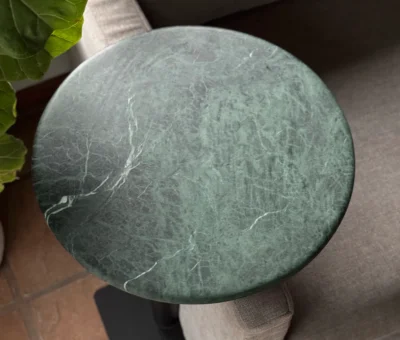
Natural stone attracts attention quickly, so restraint is useful. Veining, small pits and shifts in colour are part of the material, not printing errors to be eliminated. A large patterned slab can become the centre of a room; a quieter stone may be better when the wood grain is intended to lead. The choice should be made with the whole piece in view, not from an isolated sample image.
Thickness and edge treatment are equally important. A deep square edge can make a compact table feel heavy, while a finer profile may need carefully planned support. Stone weight also affects the base, connection points, packaging and installation. Reviewing custom furniture materials and finishes together makes it easier to compare colour, veining, structure and surface treatment as one specification rather than a set of disconnected selections.
Balancing Wood, Stone and Metal
When a third material is introduced, it should solve a problem or sharpen the composition. A discreet metal rail can support a stone top without adding another bulky timber element. A slim metal detail can also create a clean transition where two natural materials meet. The finish matters: soft black, aged brass and brushed stainless steel each change the mood, even when the metal occupies very little visual space.
The most convincing mixed-material furniture usually has a clear hierarchy. One material leads, another provides contrast and the third remains supportive. Repeating equal amounts of wood, stone and metal can make a piece feel busy. It is often more effective to let timber establish the main form, use stone at the point of touch, and reserve metal for structure or a controlled accent.


Designing for the Way Furniture Will Be Used
A beautiful material combination still has to work in daily life. Dining tables need comfortable leg clearance and an edge that feels pleasant at close range. Coffee tables must suit the height and circulation of the seating around them. Cabinets require doors, drawers and internal structures that remain practical after stone, metal or decorative profiles have been added.
The setting should guide the finish as well. A family living room, boutique hotel and high-traffic restaurant will not place the same demands on a surface. Cleaning methods, exposure to spills, frequency of movement and the likelihood of impact all deserve attention before the finish is confirmed. This does not mean every piece needs the hardest possible coating. It means that appearance and maintenance should be discussed honestly, so the chosen surface suits the life it will have.
Why Physical Material Samples Still Matter
Screens are helpful for narrowing a palette, but they cannot show the full depth of a timber stain, the sheen of a coating or the natural variation of a stone slab. Colour also changes under warm artificial light, cool daylight and the strong sun found in many South African rooms. A finish that looks neutral in one setting may appear yellow, grey or red in another.
Physical samples give the project team something specific to discuss and approve. They allow wood tone, sheen, stone character and metal finish to be viewed side by side. For a collection, the approved reference also creates a practical point of comparison when later pieces are reviewed. Natural variation will remain, but the acceptable direction is clearer than it would be from a screen image alone.


From Material Palette to Finished Piece
A strong material palette is not a mood board pasted onto a finished shape. It is part of the shape itself. Wood determines rhythm and warmth, stone affects weight and emphasis, and metal can quietly resolve structure or detail. When those roles are decided early, the finished furniture feels deliberate rather than assembled from fashionable parts.
MrsWoods develops custom wood and oak furniture for brands, retailers, designers and hospitality or commercial projects. Material combinations can be considered against the design, intended use, durability expectations and project budget before a sample is developed.
For a productive first discussion, prepare the product type, overall dimensions, intended setting, reference images, preferred wood tone, stone direction and any materials that are essential or flexible. That brief gives the design and manufacturing team a clear starting point for a workable material and sample plan.







You might also like...
-
SOFACOMPANY Presents Multifunctional Design for Modern Lifestyles

SOFACOMPANY believes modern homes need furniture that works harder, and its approach to SOFACOMPANY multifunctional design reflects the changing demands of everyday living. Six in ...
-
Summer the Scandi Way with Chair Crazy

Summer is officially here, and easy living is in. It’s time to strip back the clutter, open up living spaces, and welcome the crisp minimalism ...
-
Notation Design: The Art of Terrazzo

South African design studio Notation Design is giving concrete and stone a fresh perspective, creating contemporary terrazzo furniture, lighting and architectural surfaces that celebrate the ...
-
SOFACOMPANY Holiday at Home: Making the Most of Winter Indoors

There is something quietly special about a home that is ready for the holidays. SOFACOMPANY believes it is not about being decorated or staged, but ...




Visit SA Decor & Design on social media


