


The Rise of Lightweight Concrete: Transforming Contemporary Interior Design


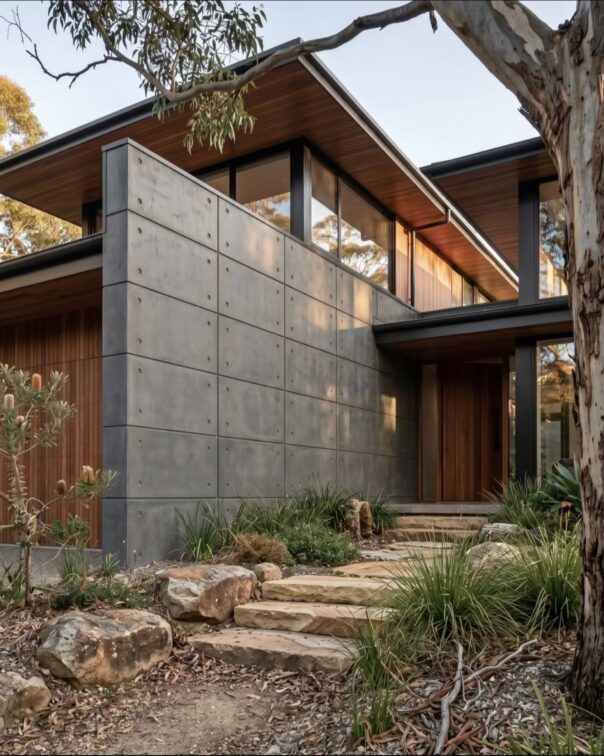
Once associated primarily with industrial buildings and urban architecture, concrete has found a new place in contemporary interiors. Its understated colour palette, natural texture and distinctive raw finish have made it a favourite among architects and interior designers, appearing on everything from floors and countertops to furniture and feature walls. And with advances in materials and manufacturing, concrete is becoming more versatile than ever.
One of the most interesting developments is the rise of lightweight concrete wall panels and three-dimensional tiles, which offer the visual appeal of traditional concrete without the weight and installation challenges associated with solid concrete structures.


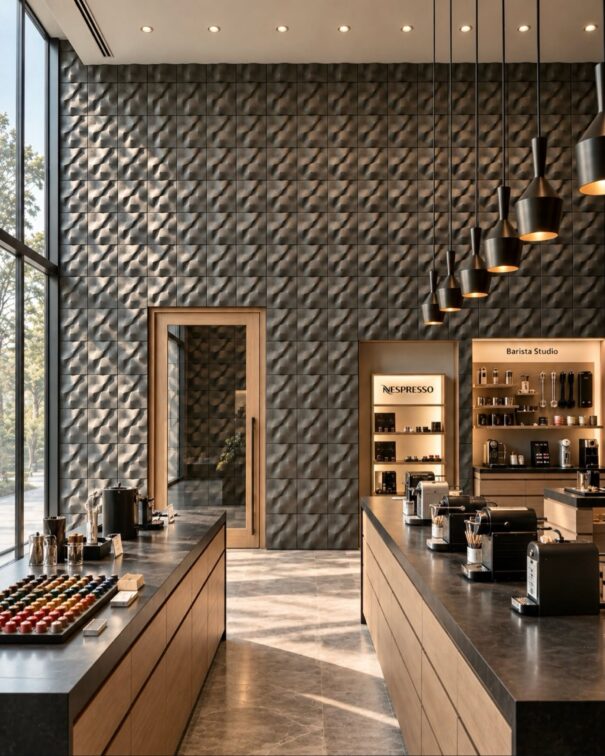
At Float Concrete, this approach is central to the brand’s collection of lightweight concrete wall panels and sculptural 3D tiles. Designed for residential and commercial interiors, the products combine the tactile beauty of concrete with practical features that make it easier to incorporate into contemporary spaces.
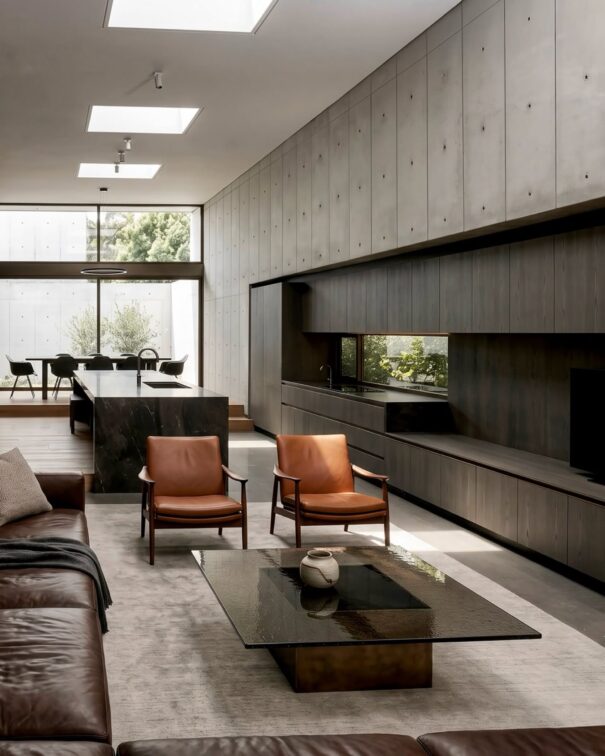
Part of concrete’s appeal lies in its remarkable versatility. Smooth, understated panels can create a calm, minimalist backdrop, allowing furniture, artwork and architectural details to take centre stage. More textured finishes introduce depth and visual interest, while three-dimensional tiles transform an ordinary wall into a sculptural feature. As light moves across their raised surfaces throughout the day, subtle shadows reveal the design’s patterns and contours.
These qualities make concrete particularly appealing in interiors that favour natural materials and organic forms. Paired with timber, linen, leather or warm metallic finishes, its cool grey tones create a pleasing contrast, balancing raw texture with softer, more inviting elements.


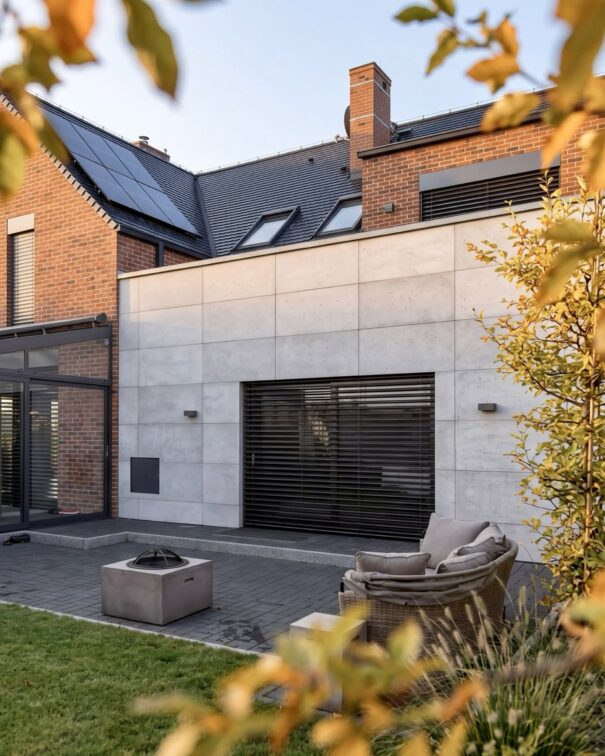
Beyond aesthetics, durability is another important consideration. Float Concrete uses ultra-high-performance concrete (UHPC) to produce panels designed to resist moisture, humidity and everyday impact. Unlike timber, concrete doesn’t swell or rot when exposed to moisture, making it a practical choice for many interior applications. Its robust composition also offers advantages in busy commercial environments, where wall finishes need to withstand regular use.
The development of lightweight panels has made concrete more accessible for interior applications. Without the substantial weight of conventional concrete cladding, designers have greater flexibility to introduce large-format surfaces and architectural features. At the same time, the brand’s 3D tiles offer opportunities to create more decorative, textured installations.


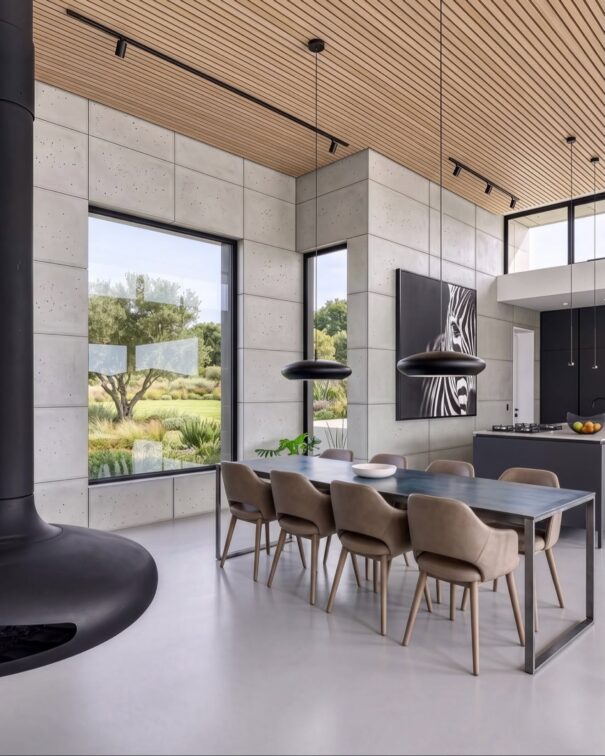
Sustainability is also shaping how concrete products are developed. Float Concrete has introduced silica-free concrete panels, while the durability and longevity of its products can help reduce the need for frequent replacement. Their lightweight construction also offers potential advantages for handling and transportation.
Looking ahead, innovations such as self-healing concrete and bio-receptive surfaces that encourage plant growth point to exciting possibilities for the material’s future in architecture.
For Float Concrete, the appeal of concrete extends well beyond current design trends. With its combination of texture, durability and evolving technology, the material offers designers an increasingly versatile way to create interiors that feel both contemporary and enduring.


Contact: Float Concrete
Be more inspired here







You might also like...
-
Beyond Residence | KEY Architectural Group

In Accra’s Airport Residential Area, KEY Architectural Group brings together climatic intelligence, restrained luxury and a distinctly human approach to contemporary urban living. Luxury in ...
-
Serpentine Pavilion 2026: When a Wall Becomes a Place

Every summer, London’s Kensington Gardens becomes the stage for one of architecture’s most anticipated annual commissions. The Serpentine Pavilion has, over the past quarter century, ...
-
Francois Marais: Luxury Residential Architecture in Johannesburg

Architecture becomes particularly interesting when the journey through a home is as considered as the rooms themselves. For Francois Marais Architects and Interiors International, that ...
-
Winter Home Styling Ideas: Create Calm, Comfort and Meaningful Interiors This Season

Winter has a way of changing the rhythm of a home. The days begin a little more slowly, evenings encourage us to linger indoors, ...


Visit SA Decor & Design on social media


