


The forgotten third of your life
The forgotten third of your life
Slow down on everything but your sleep


With the recent uncertainties around our physical and financial health, it is not unusual to have experienced at least one sleepless night over the past few months. Never has sleep been more critical. Science has been catching up on sleep, and so should you. The fast-paced world we live in has slowed down (hashtag Rona), at least a little, and I think it’s the world hinting that we should do the same.
The rat race is a human race again, and we’re sleeping on beds, not hay.
So, let’s talk about the least considered action of your day—the forgotten THIRD of your life. Yep, you spend approximately 30% of your whole life on that square thing we rarely pay attention to. And as adventurous as people can be, the bedroom is a space for R&R. So let’s talk about it. (Tisk, no, not that!) Your mattress, silly;) Your sleep.
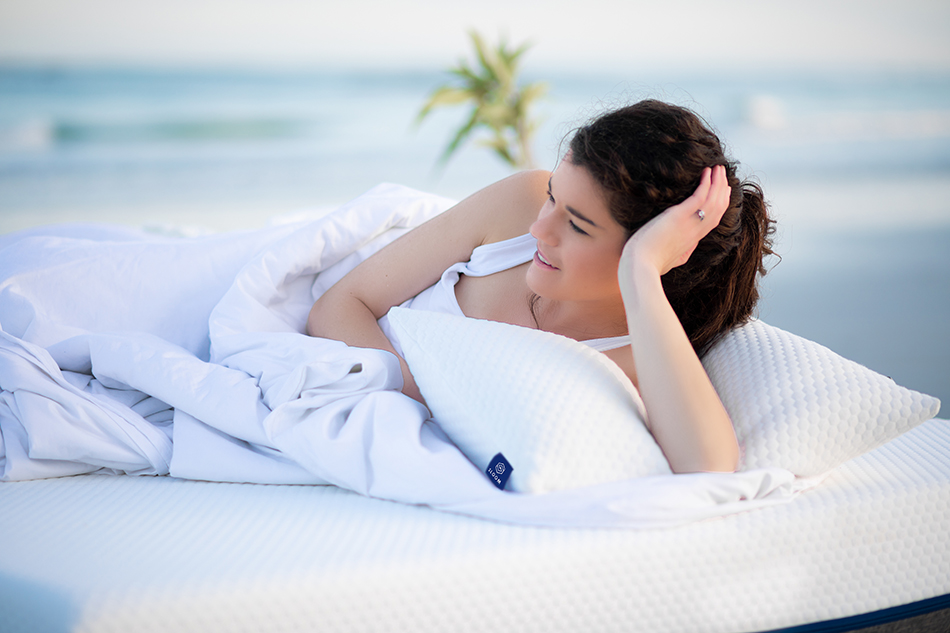
While mattresses can hinder sleep quality, they can also improve it. Better “bedding systems” (a fancy way of saying “things you sleep on”) have been linked to decreased pain and discomfort, improved focus, cognitive function, less stress, and an improved overall mood.


So what does the science say?
For some, the Pandemic has triggered increased levels of anxiety and even depression, leading to sleep deprivation. Which directly impacts our body’s ability to repair and restore its natural functions. Sleep is the foundation for optimal health, and a lack thereof can affect everything, from your weight to physical endurance, cognitive function, emotional wellbeing, and even longevity. Our brain’s emotional center, the amygdala, is also affected by sleep. The amygdala is up to 60% more active in sleep-deprived subjects, indicating the significance of sound sleep for emotional stability.


Listen up. There’s also a solid link between weight control and sleep. Studies have shown that sleep privation can produce hormones that increase appetite and counterproductively encourage our body to break down more protein than fat.
Want immunity? Yes, diet, lifestyle, and breaking a regular sweat all play important roles, as does sleep. So how does that work? Without sufficient sleep, your body makes fewer cytokines, a type of protein that targets infection and inflammation, effectively creating an immune response. Cytokines are both produced and released during sleep, causing a double whammy if you skimp on shut-eye.
The ideal length of sleep for each individual may differ, but on average, a minimum of 7-8 hours of sleep per night is the ‘modus Vivendi’.
Visit Sloom.co.za for South Africa’s first and only comfort adjustable mattress, engineered for quality sleep and better days:)





You might also like...
-
Designing a Kitchen That Works for Every Stage of Baby Feeding

Long before your baby grabs their first spoon, your kitchen becomes the center of a new rhythm—warm bottles, sterilized bowls, and eventually a dedicated seat ...
-
Dial•a•Bed King-Size Mattresses: The Growing Demand in South Africa

Space has become one of the most underrated luxuries in modern living, particularly when it comes to sleep. Increasingly, the bedroom is understood not simply ...
-
Granny Goose: The Premium Bedding Philosophy of Restful, Luxurious Sleep

Better sleep begins long before the head touches the pillow. It begins with texture, temperature, breathability, and the quiet rituals that transform a bedroom into ...
-
How to Choose a Healthy Mattress for Better Sleep

While comfort is important, a truly healthy mattress goes beyond simply feeling good when someone first lies down. The support system, materials, breathability and ...


Visit SA Decor & Design on social media


