

Neolith: Embracing The Power of Biohomes
The world is constantly shifting to incorporate more sustainable ways of living. In our everyday spaces, we need to think about the impact we have on the environment and how we can live lighter. The concept of a biohome is therefore gaining ground. These are livable spaces that incorporate sustainable and eco-friendly features, such as green building materials, energy-efficient systems, and perhaps even integrated ecosystems that promote biodiversity.


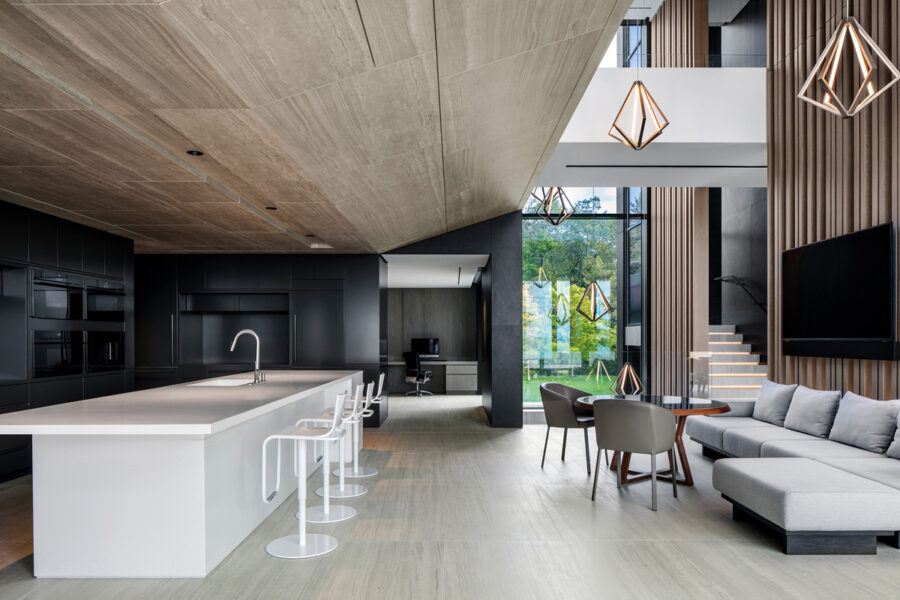
Biohomes incorporate various principles to minimize their impact on the environment.
Here are some key features:
Biodegradable Materials:
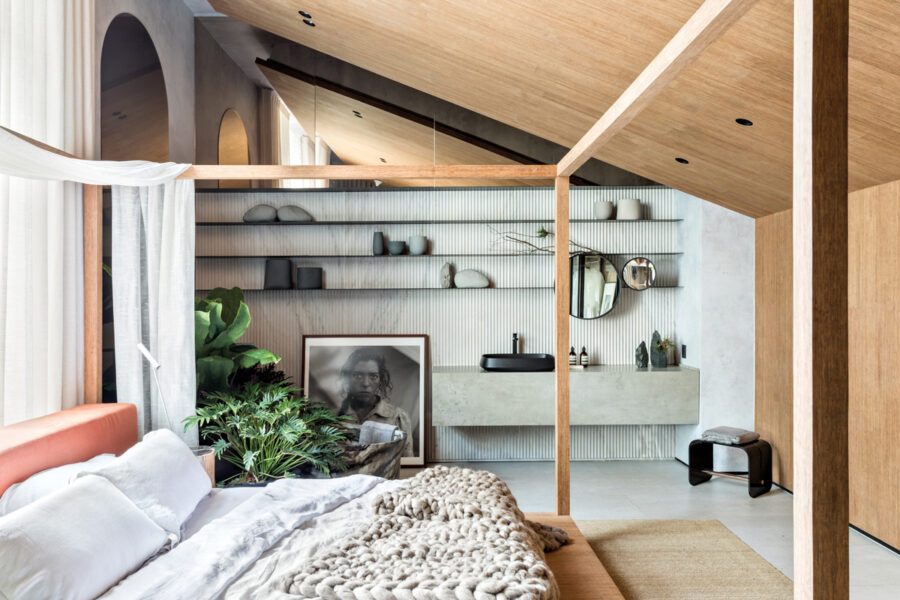
Biohomes are constructed using biodegradable materials such as wood, clay, cork, natural stone, and sintered stone. Sintered stone, in particular, is highlighted as it is made with biodegradable raw materials and can be recycled.
Energy Efficiency:
Biohomes prioritize maximum energy efficiency in their design to reduce overall energy consumption. This includes the use of solar panels and thermal insulation materials.


Use of Local Resources:
To minimize the carbon footprint, biohomes use local resources for construction to avoid long-distance transportation of materials. This can include both building materials and local energy sources.
Recycling and Waste Management:
Biohomes incorporate recycling and waste management systems. This includes composting systems to convert food remains and leaves into garden fertilizer.


Integration with Surrounding Space:
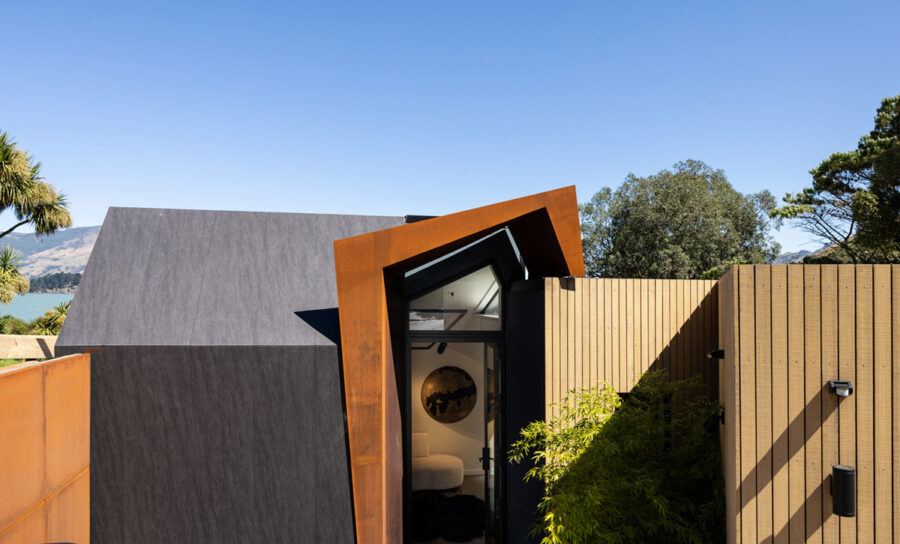
Biohomes aim to integrate into the natural environment. This involves using colours and materials that create visual continuity and avoid sharp contrasts with the surrounding landscape.


Environmental Responsibility in Production:
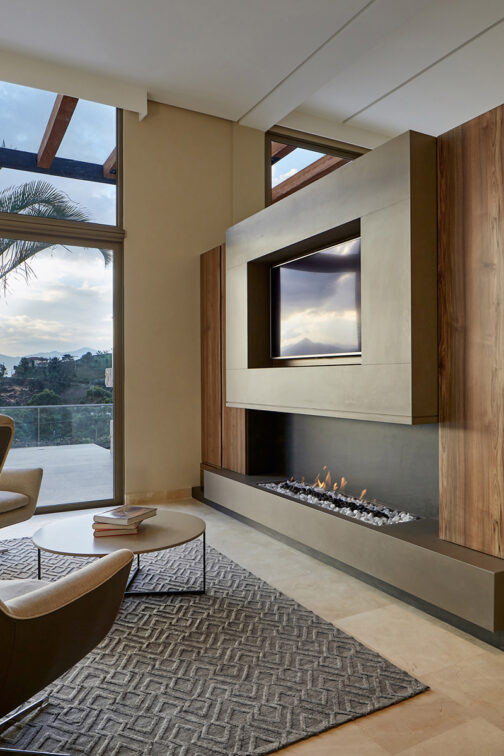
Brands and the industry as a whole should be more conscious of the choices made when it comes to designing sustainable living spaces. Neolith is one such company that emphasizes its commitment to environmental responsibility, using fully natural raw materials, recycling products, and helping to design a production process with minimal negative impacts on carbon emissions.
For more visit Neolith.







You might also like...
-
What Causes Lithium-ion Battery Fires?

Where There’s a Spark, There’s a Flame. Behind the convenience of lithium-ion batteries lies a potentially hazardous science. SafeQuip, a leading distributor of fire-related equipment, ...
-
Perfect Hideaways: Discover Thuúla Haven in the Hemel-en-Aarde Valley

There are few places where time seems to move quite as gently as the Hemel-en-Aarde Valley. Surrounded by rolling vineyards, rugged mountain ranges and flourishing ...
-
Timber, Reconsidered: Debunking the Myths Around Wood in South African Design

Sustainability, responsible material choices and smarter construction continue to shape the future of South African design. That’s why timber now steps into the spotlight. However, ...
-
The Designer’s Guide to Choosing the Right Wood Look: From Oak to Ipe with Eva-Last

There’s just something about wood. When you walk into a room finished in warm oak, dark walnut, or rich ipe, you feel it before you ...


Visit SA Decor & Design on social media


