


Giant Leap: Recession & Blackouts in ’23 Could see the ‘Great Return’ to offices in SA
Employers’ wishes for workers to return to the office just might come true in 2023 as the threat of ever more severe blackouts and a deepening recession may spur workers back to their offices in a “Great Return.”


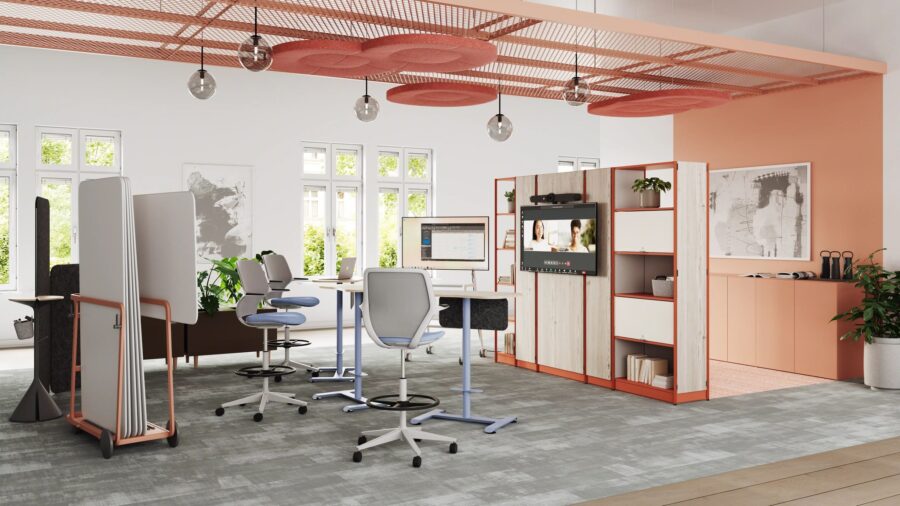
Linda Trim, Director at Giant Leap, one of South Africa’s largest workplace design consultancies said: “It’s not for the reasons we would have wished for but the reality is people who have enjoyed working from home may simply have little choice but to return to the office.
“Offices are typically better equipped – many have alternative power sources or are busy installing solar panels. And with a poor economic outlook many people will want to be seen working at the office demonstrating their value.
“This year we could well see the reversal of the remote working trend of the last three years. Few people have the resources and patience to try and complete a full work day with no power for big blocks of the day.”
Trim added that hybrid working arrangements, where workers go into the office part of the week, had gained broad – but often unsatisfactory – acceptance as a compromise between the rise in work from from home and companies wanting people to return.
“Even as companies demand a return to full-time work, many workers have held out. These are typically the higher skilled workers and those that could perhaps find new work easily. But even these workers may find it easier this year to spend more time in the office, and will be particularly motivated to if South Africa enters a recession this year.”
Much is at stake for the workplace to evolve in 2023.
White-collar workers are working hard. A Microsoft research report from September 2022, said the number of meetings per week had increased 153% globally for the average Teams user since the start of the pandemic – and 42% of workers multi-tasked during those meetings.
Still, 85% of the leaders it surveyed felt they did not have confidence employees were being productive in a hybrid workplace.
Said Trim;”The coming year could determine who ends up having the upper hand in determining what work looks like in the future. A recovering South African economy and skills shortages have given workers more say recently. But a recession and Eskom might take some of that away.”
For employers, the model they ultimately choose will determine their attractiveness to workers, especially the younger generations who demand more flexibility and better work-life balance and benefit greatly from mentoring and absorbing company culture.
It could also determine the return of some people who left the workforce during the pandemic – such as women who served as primary unpaid caregivers, older workers and those suffering from long COVID.


Contact: Giant Leap





You might also like...
-
Practical Ways Businesses Can Reduce Waste Through Better Recycling Practices

Every single day, offices and commercial spaces generate a massive amount of waste. It’s easy for trash to pile up in workplace storage rooms from ...
-
Ergonomic Workplace Design by Ergonomicsdirect

The modern workplace is no longer defined by rows of desks and task chairs. Ergonomicsdirect believes that ergonomic workplace design is about creating a carefully ...
-
Designing Better Workplaces Through Independent Thinking with Design Colab

-
Barker Street | How MillerKnoll Is Redefining Workplace Design at Clerkenwell Design Week

At this year’s Clerkenwell Design Week, Barker Street highlighted MillerKnoll’s future-facing vision of the workplace, one shaped by adaptability, material innovation, and a growing emphasis ...


Visit SA Decor & Design on social media


