


Ferreiras: The Wood Effect
Some things never go out of fashion and have stood the test of time in terms of style and beauty. What “things” pray tell? Tiles that have been inspired by the greatest artist of all time – Mother Nature.


 If you are looking for timeless tiles that can exude sophistication and warmth then Wood Effect tiles should be your go to. Find some spectacular options available from Ferreiras Tile + Bathroom and embrace the wood effect in your own home!

 Why Wood Effect Tiles? No matter how good your hardwood, laminate or vinyl floors, these are are prone to scratches, dents and stains. The strength of tiles (when installed correctly) is unparalleled. Tiles also require very little maintenance; you can use water and soap with no fancy equipment to clean them.

 Natural wood is a renewable source, although not a very fast one. It takes decades before a tree reaches maturity for felling. Tiles on the other hand, are eco-friendly and made from clay which consists of various materials including recycled ones. Tiles can also work with underfloor heating. If you are concerned that tiles are cold to the touch you can always install underfloor heating as both porcelain and ceramic are good conductors of heat. Bear in mind in our beautiful South African climate 9 out of 10 you will be wishing your house was nice and cool.

 They can also be installed anywhere! Want an open plan house, Wood Effect in your kitchen for that gorgeous farm style look or wood in your bathrooms? No problem, tiles are resistant to damage from natural elements such as water and the sun.

 How to Install Wood Effect tiles?
1. Check that you have been supplied the correct product and that you have sufficient quantity for the installation, attic stock and that it is all in one shade.
2. Check that you have all the installation products / tools required – correct adhesive and grout, tile spacers, spirit level etc. It goes without saying a tiler that has experience and good referrals is a must.
3. Ensure the area to be tiled is clean and level, with no visible cracks.
4. The more realistic the Wood Effect tile, the greater the pattern variation on the tile. It is therefore important to “dry lay” the tiles and make sure you mix the various patterns and veins to create a natural look.
5. Check laying instructions.
6. The correct adhesive is to be applied to the substrate and tile with a trowel, depending on the tile purchased tile spacers can vary from 2 – 3mm. Use a rubber mallet to secure the tile in the adhesive bed. Thereafter it is important to check with a spirit level that the force used to secure the tile does not lift the tile on one side. Allow the adhesive to dry completely before commencing with the grouting.
7. Select a grout colour that matches the colour of the tiles. Ensure the grout spaces are free from traces of adhesive and/or dust. Grout small areas at a time and clean carefully with water.
8. Final cleaning is to be completed once the grout has dried and all operations have been completed on site (no longer than 10 days after installation has occurred). After a first clean with water, you can then use an acid-based cleaning product suitably diluted with water to clean the surface (do not allow to dry) and then rinse thoroughly. Contact: Ferreiras


You might also like...
-
The Art of Bookmatched Surfaces: Elevating Architecture and Interior Design

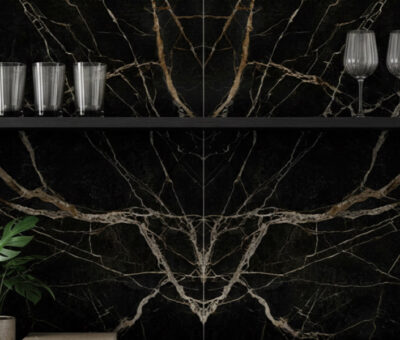
In the lexicon of contemporary architecture and interior design, few surface treatments offer the visual drama and refined sophistication of bookmatched slabs. At the forefront ...
-
When Nature Leads Design: Inside the World of Marazzi

Some interiors feel calm and resolved the moment you step inside. Others, despite the finest furniture or décor, can feel busy—or quickly dated. Often, the ...
-
Natural Texture, Refined Simplicity

These two new polyester carpet ranges celebrate the quiet beauty of texture. Made by Associated Weavers in Belgium and exclusively distributed by Likewise Floors, the ...
-
Where Stone Meets Contemporary Living

In South Africa, design is ever-present — in the buildings that shape the cities, the furniture around which people gather, and the spaces they retreat ...


Visit SA Decor & Design on social media


