


Black Pearl Project Management: Crafting Environments for a Greener Tomorrow
In the contemporary context of escalating climate concerns, the importance of sustainable design has emerged as a paramount responsibility. Beyond being a mere trend, the integration of sustainable elements into our living and working spaces is essential for mitigating our ecological footprint and cultivating a more symbiotic relationship with our planet. Black Pearl Project Management lets us in on this insight.


A pivotal facet of sustainable design revolves around energy efficiency. Selecting appliances, lighting, and HVAC systems that adhere to energy-efficient standards constitutes a tangible step towards reducing overall energy consumption. The strategic utilization of natural light through expansive windows and skylights not only enhances the ambiance but also curtails the dependence on artificial lighting. Augmenting these measures with renewable energy sources, such as solar panels and wind turbines, serves to fortify a more sustainable and resilient energy infrastructure


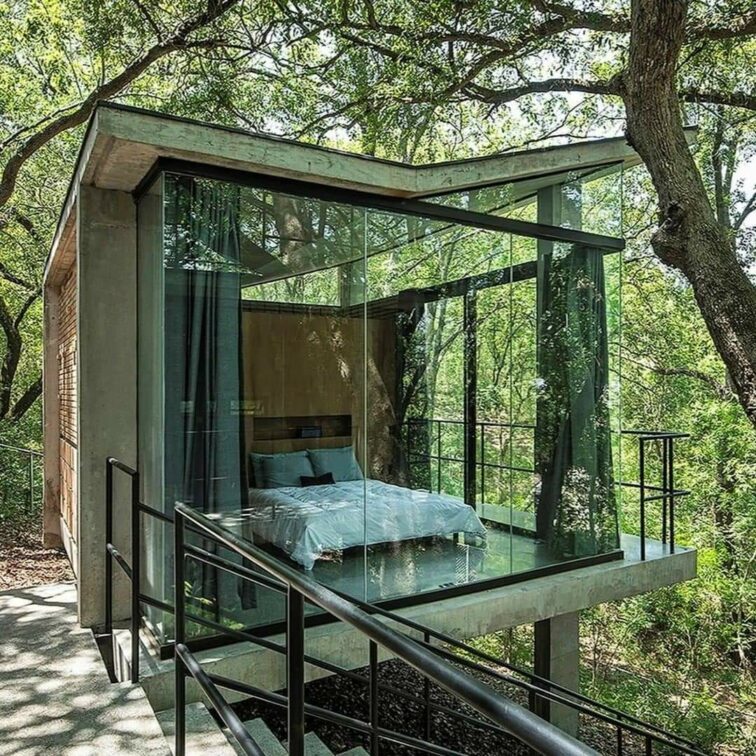
Material selection stands as a critical determinant in sustainable design. The preference for locally sourced and recycled materials fosters a significant reduction in the environmental impact associated with construction projects. Embracing alternatives like bamboo for flooring and furniture or opting for recycled steel and reclaimed wood in structural components, exemplifies a commitment to sustainable construction practices. Moreover, the use of eco-friendly paints, low-VOC adhesives, and non-toxic materials bolsters indoor air quality, contributing to healthier living and working environments.
Water conservation assumes paramount importance in the sustainable design paradigm. The incorporation of water-efficient fixtures and appliances, such as low-flow toilets and faucets, serves to minimize overall water consumption. Complementary strategies, such as rainwater harvesting systems and native landscaping, further underscore a commitment to judicious water use.
The integration of green spaces within and around built structures constitutes an integral facet of sustainable design. Rooftop gardens, vertical plant walls, and community gardens not only enhance aesthetic appeal but also confer a multitude of environmental benefits. These green elements actively sequester carbon dioxide, release oxygen, and cultivate habitats for local wildlife, thereby fostering a more biodiverse and resilient ecosystem.


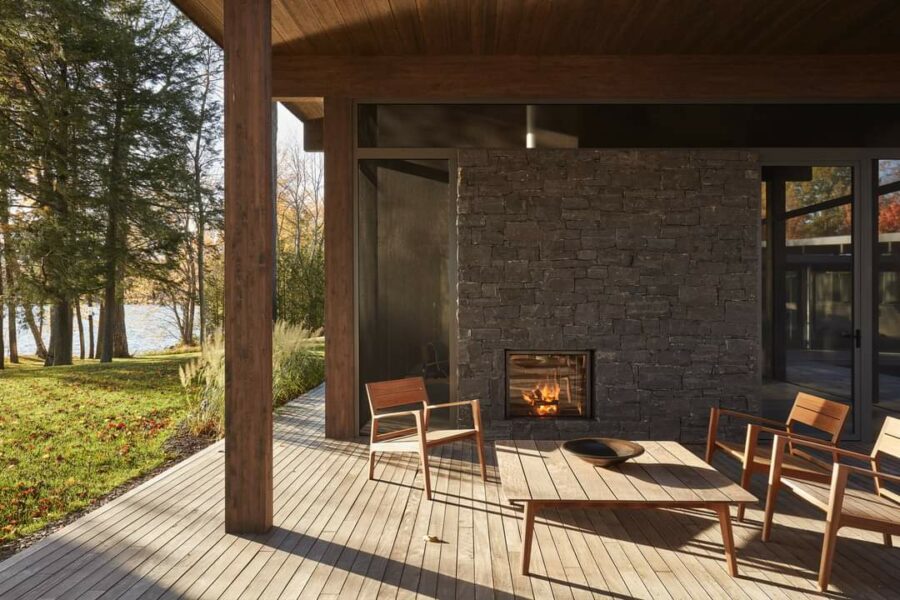
In summation, the ongoing commitment to integrating eco-friendly elements into our spaces is an unequivocal pledge towards fostering a sustainable and resilient future. By prioritizing energy efficiency, opting for sustainable materials, conserving water, and seamlessly integrating green spaces, we engender environments that not only elevate our well-being but also honour our responsibility to preserve and protect the planet for generations to come. The embrace of sustainable design transcends aesthetic considerations; it epitomizes a conscientious endeavour to impart a positive imprint on our environment.
You might also like.


You might also like...
-
Island Villa Dubai by SAOTA and ARRCC: Contemporary Coastal Barefoot Luxury Overlooking the Arabian Sea

Along Dubai’s constructed shoreline, Island Villa emerges as a study in barefoot luxury – a coastal home shaped as much by restraint as by view. ...
-
Giava Interiors’ Design Tips for Beautiful and Functional Homes

Beautiful homes rarely happen by chance. The most memorable interiors are created through intentional interior design, where every element is chosen with purpose. Using Giava ...
-
SA Décor & Design Wins 2026 Luxury Lifestyle Award for Best Luxury Décor & Design Media in South Africa

Recognition is always meaningful, but it becomes especially rewarding when it reflects years of dedication, passion and an unwavering commitment to excellence. It is with ...
-
Kelly Hoppen x MAVI Longevity Redefine Luxury Wellness Interiors

Luxury interiors have long been associated with beauty, craftsmanship, and atmosphere. Increasingly, however, the conversation is shifting beyond aesthetics alone toward environments designed to actively ...


Visit SA Decor & Design on social media


