


Lockdown Cleaning Tips With Franke: How To Sanitise Stainless Steel
During these unprecedented times, we’ve become more preoccupied than ever with keeping our homes disinfected and clean. Our friends from Franke are taking it one step further with advice on how to sanitise stainless steel at home during the Corona Virus pandemic.


It may feel like an eternity since this virus became a part of our daily lives, but it is actually still relatively new and research uncovers more every day. According to scientific studies thus far conducted, SARS-CoV2 seems able to survive for the longest time on non-porous surfaces like Stainless Steel from anywhere from 2 to 9 days. And while varying factors can determine the lifespan of Covid on metal, transmission via surfaces at least is a well-established fact. For this reason, we recommend that you frequently clean your stainless steel fittings and appliances, as well as chrome products, for optimal home hygiene.
But! Before you grab your strongest disinfection detergents and head for the kitchen and bathroom, please keep in mind that many abrasive cleaning products can damage your Stainless Steel!
USE REGULAR SOAP
In everyday circumstances we recommend cleaning your sinks, kitchen taps, bathroom taps and accessory fittings by simply wiping down metal surfaces with a damp cloth and soapy water. Finish off by drying with a clean dry towel. This will keep your products looking beautiful for years and prevent the build-up of dirt and lime scale.
For protection against viruses we recommend the same. Soap and water are still considered by most authorities on the subject to be your first line of defence to remove the virus from both yourself and surfaces.
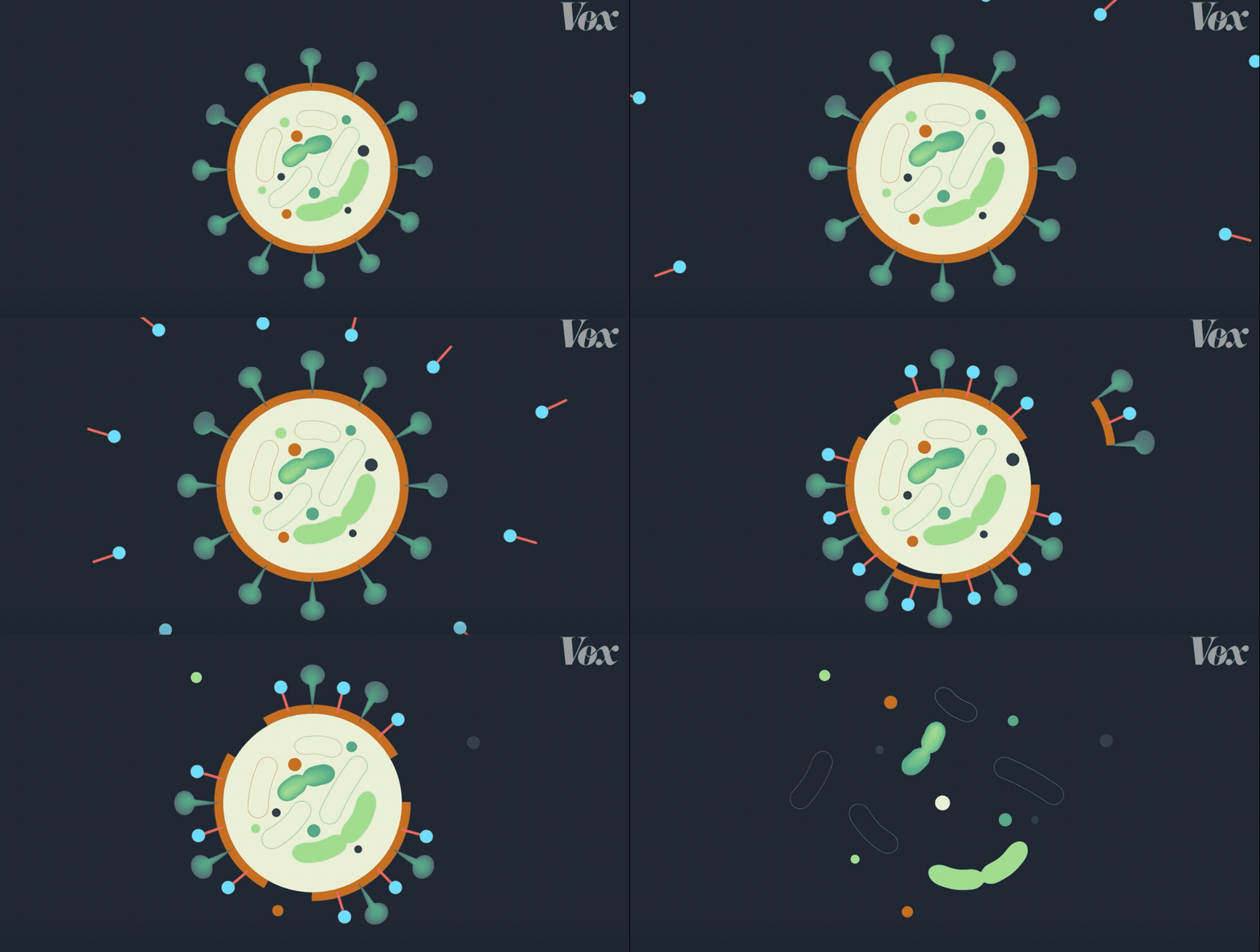
Soap works by so effectively because it’s able to break the virus’s exterior coat in smaller pieces, damaging the virus particle as well as making it soluble enough to be washed away. It is most important to remember here that you need to give the soap 20 seconds to do its work properly.


PICK YOUR CHEMICALS CAREFULLY
Franke’s stainless steel sinks are made of premium chrome-nickel steel while most of their mixers are chrome plated. Both are resistant to stains, rust and corrosion. If you choose to wash your stainless steel products with anything other than regular or liquid soap, here are a list of chemicals and cleaning tools that should be AVOIDED, as they can cause pitting and corrosion over time:
- Chlorine
- Bleaches containing hypochlorite. Although sodium hypochlorite is very effective at killing the virus, it is not recommended for use on Stainless Steel.
- Silver dip cleaners
- Foods like citrus fruit juice, salt, vinegar, mustard, pickles and mayonnaise, left on the surface for prolonged periods
- Strong acids like photo developing liquids or denture cleanser
- Steel wool pads


SANITISERS & FOGGERS
A number of sanitisers and disinfectant foggers contain chemicals such as chlorine. These chemicals will cause Stainless Steel, as well as chrome plated products such as your taps to tarnish and rust, and the use of these will void the validity of your Product Warranty.
Where the use of these products are necessary, always remember to clean with soap before disinfection to further reduce the risk of spreading infection.
Any non-porous surface should stay wet with the disinfectant for at least 10 minutes before wiping with a clean towel to allow the sanitiser to work effectively.
After sanitising, we strongly recommend using a solution of dishwashing liquid and water to clean the products and surfaces after sanitising to remove the residue. This must include cleaning of the underside of your sink bowls where foggers have been utilised, in order to prevent the sanitiser damaging your Stainless Steel.
Franke Inox Cream can also be used to remove residue off the surfaces after sanitising, but this requires a more intense cleaning process.
DISINFECTING OF CLEANING TOOLS
Cleaning of items such as cleaning cloths and mops should be done with soap and hot water followed by a disinfectant or bleach solution. This should be done in a bucket rather than in your kitchen sink. Leave your mop and tools to dry completely once finished.
Mop water is especially full of germs and dirt – don’t pour mop water into the kitchen sink. Instead, empty dirty water into the toilet and flush to keep germs from spreading from one area to another.
To find out more about keeping your Franke products wonderfully clean and hygienic visit them online HERE.
2 Comments
Leave a comment/Ask a question




You might also like...
-
Blum Cabinet Library: Smarter Joinery Design

Blum South Africa has launched its latest Blum Cabinet Library, offering architects, designers and specifiers a comprehensive BIM-based solution for joinery design and documentation. Developed ...
-
EuroCasa Italia: Italian Kitchen Design & Smart Luxury

INVESTMENT DESIGN For more than 25 years, EuroCasa Italia has been bringing Italian design, craftsmanship and considered living to South Africa and, increasingly, to clients ...
-
Modern Kitchen Sink Design Solutions | A Guide By Ferreiras

The kitchen sink is often one of the hardest-working elements in the home, quietly supporting everything from preparation and cooking to cleaning and daily routines. ...
-
Kitchen Sinks for Modern Homes | Roco Fittings

Roco Fittings offers a versatile range of kitchen sinks designed to suit both medium- and high-end spaces, combining practicality with modern style. Whether you’re upgrading ...


Visit SA Decor & Design on social media


Sarah
August 19, 2020Thank you for this article! I just got the granite countertops in my home cleaned by a professional cleaning company last week, and I wanted to deep clean and sanitize the rest of the kitchen to make everything look nice. I had no idea about what chemicals should be avoided with stainless steel sinks, but I’m glad I found out before I started cleaning!
Marcia
August 21, 2020We learn something new every day. Thank you for your comments … Fondest Marcia